
Essential Home Safety for Seniors: Practical Tips for Peace of Mind
Living independently is a goal many of us cherish, especially as we grow older. Staying safe at home is a big part of that independence. I want to share some straightforward, practical advice on how to make your home safer. These tips are designed to help you or your loved ones avoid common accidents and feel more secure every day.
Why Home Safety for Seniors Matters
Safety at home is more than just avoiding falls or accidents. It’s about creating an environment where you feel comfortable and confident. As we age, our bodies and senses change. Vision might not be as sharp, balance can be tricky, and reaction times slow down. These changes make it easier to have accidents at home, but with the right adjustments, many risks can be reduced or eliminated.
For example, simple changes like better lighting or grab bars in the bathroom can make a huge difference. It’s not about turning your home into a hospital room. It’s about making smart, easy improvements that help you live your life fully and safely.
Key Areas to Focus on for Home Safety for Seniors
When thinking about home safety, it helps to break it down into specific areas. Here are some of the most important spots to check and improve:
1. Entryways and Hallways
These are high-traffic areas where trips and falls often happen. Make sure all pathways are clear of clutter like shoes, bags, or loose rugs. Consider adding non-slip mats or runners that stay firmly in place. Good lighting is essential here too. Motion-sensor lights can be a great option, especially for nighttime trips.
2. Kitchen Safety
The kitchen is a place full of potential hazards. Keep frequently used items within easy reach to avoid climbing or stretching. Use appliances with automatic shut-off features if possible. Make sure the floor is dry and clean to prevent slips. Also, consider installing a stove guard or a timer to avoid leaving the stove on accidentally.
3. Bathroom Safety
Bathrooms are one of the most common places for falls. Installing grab bars near the toilet and in the shower or tub can provide extra support. Use non-slip mats inside and outside the tub or shower. A shower chair or bench can also be helpful for those who have trouble standing for long periods.
4. Living Areas and Bedrooms
Keep pathways clear and furniture arranged to allow easy movement. Avoid low tables or items that can be tripped over. Use nightlights in bedrooms and hallways to help with nighttime navigation. Beds that are the right height make getting in and out easier and safer.
5. Emergency Preparedness
Make sure you have easy access to a phone or emergency alert system. Keep important numbers visible and programmed into your phone. Consider a medical alert device that can call for help if you fall or need assistance. It’s also wise to have a plan in place for emergencies like fires or severe weather.
Practical Tools and Technology to Enhance Safety
Technology can be a great ally in keeping your home safe. There are many tools designed specifically with seniors in mind. Here are some examples:
Motion-activated lights: These lights turn on automatically when you enter a room or hallway, reducing the risk of falls in the dark.
Smart home devices: Voice-activated assistants can help with reminders, controlling lights, or calling for help.
Medical alert systems: Wearable devices that connect you to emergency services at the push of a button.
Automatic shut-off appliances: These prevent accidents by turning off stoves or irons if left unattended.
Using these tools can give you and your family peace of mind. They help maintain independence while adding an extra layer of safety.
How to Make Your Home Safer Step-by-Step
Improving home safety doesn’t have to be overwhelming. Here’s a simple plan to get started:
Walk through your home: Look for hazards like loose rugs, poor lighting, or clutter.
Ask for input: Sometimes a fresh pair of eyes can spot risks you might miss.
Prioritize fixes: Start with the most dangerous areas like bathrooms and stairs.
Make small changes: Add grab bars, improve lighting, and remove tripping hazards.
Test your changes: Walk through your home again to see if it feels safer.
Keep safety in mind: Regularly check your home and update safety measures as needed.
If you want extra help, consider professional home safety assessments. They can provide personalized advice and solutions tailored to your needs.

Finding Trusted Senior Home Safety Solutions
When looking for help with home safety, it’s important to find trusted providers who understand the unique needs of seniors. Whether you’re a seasonal resident or living full-time in the Phoenix East Valley, local experts can offer valuable support.
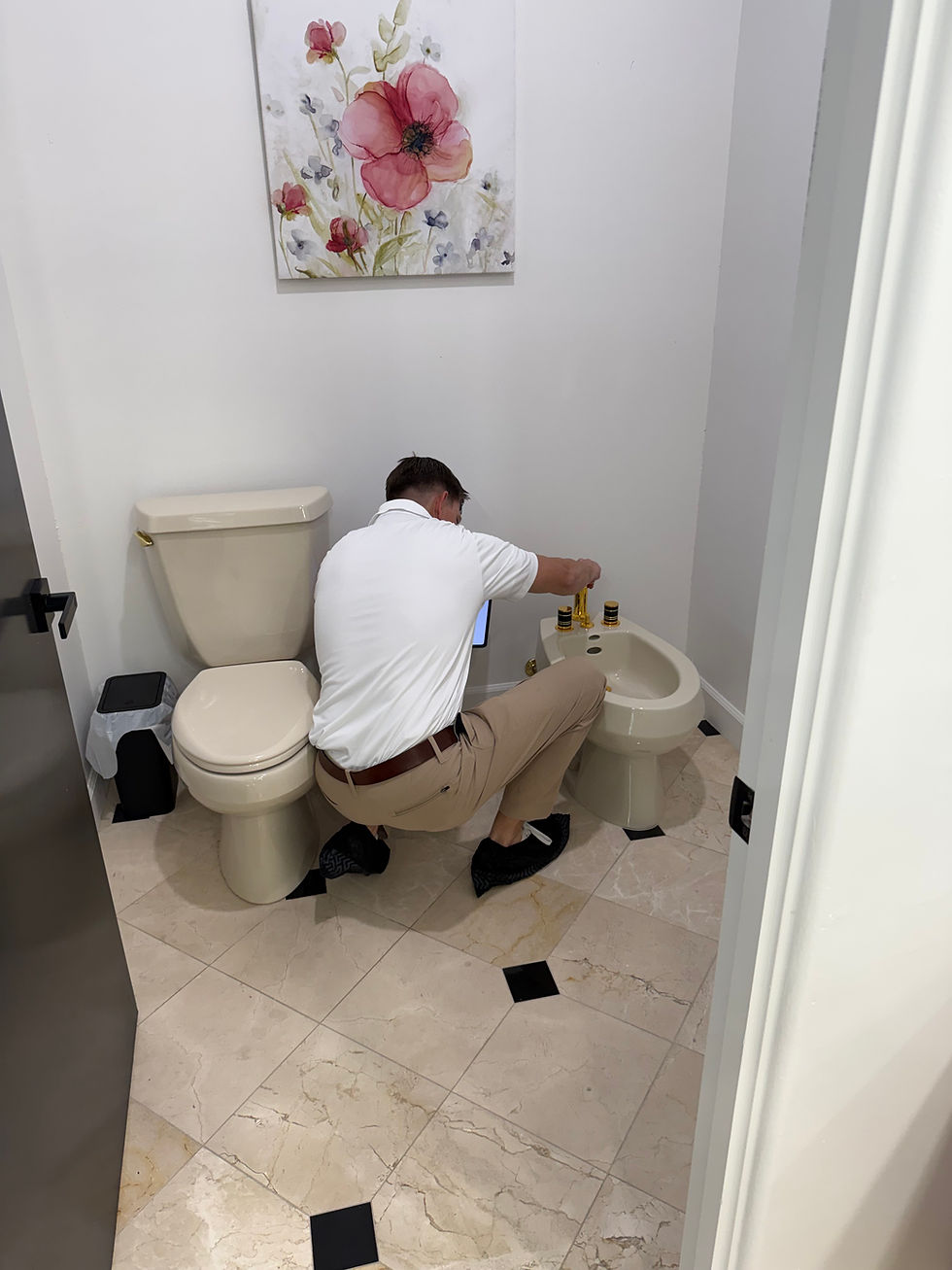
I recommend exploring senior home safety solutions that specialize in home safety and property checks. These services can help you identify risks, install safety features, and provide ongoing support. They’re a great resource for anyone wanting to maintain independence while staying safe.
Keeping Independence and Confidence at Home
At the end of the day, the goal of all these safety measures is to help you live confidently and comfortably in your own home. Feeling safe means you can enjoy your daily activities without worry. It means peace of mind for you and your loved ones.
Remember, safety is a journey, not a one-time fix. Keep checking your home, stay aware of your needs, and don’t hesitate to ask for help when you need it. With the right steps, your home can be a place of security and happiness for many years to come.


Comments